
What is a biometric terminal?
A biometric terminal scans a physical trait, most often a fingerprint or face, and compares it with a stored template to confirm identity. Unlike cards or PINs, a biometric cannot be lent or forgotten and is hard to copy, which suits registration desks, attendance and secure areas.
Accuracy is described by two rates: the false accept rate (FAR), when the wrong person is accepted, and the false reject rate (FRR), when the right person is refused. Good terminals publish both in their datasheet. Clean sensors, correct finger placement and quality enrolment improve results.
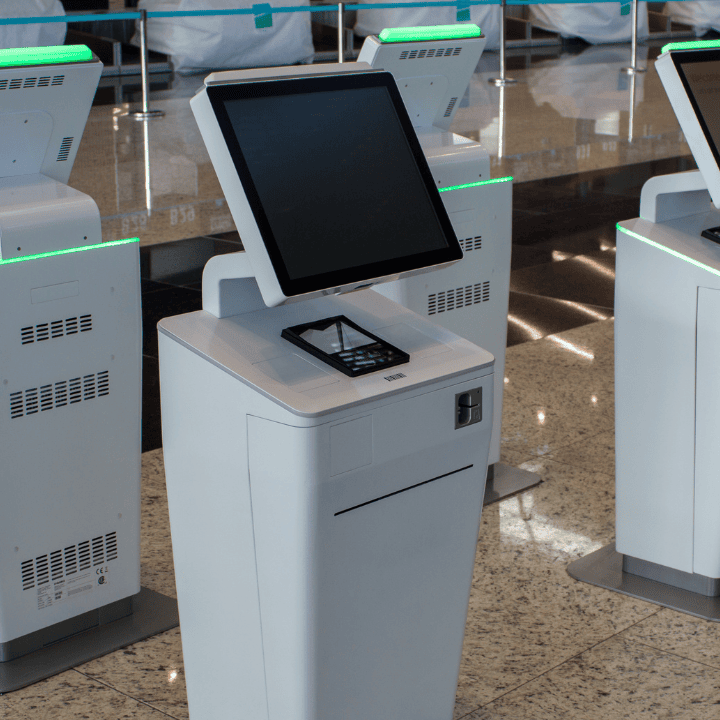
Where are biometric terminals used?
Typical uses include employee attendance, visitor and citizen registration, bank and government counters, labs, data centres and factory entrances. A terminal can work standalone or send records to central software over the network. Tell us your use case and we will suggest a model.